


Reflections on Diane Munday
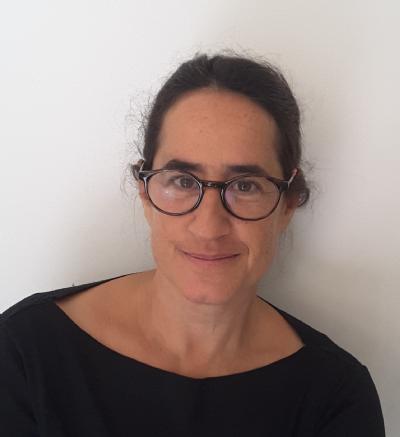
Diane Munday 1931-2026
Abortion Talk was saddened to learn of the death of Diane Munday. In this blog, Talkline volunteer Lisa Hallgarten looks back at her extraordinary life for us and reflects on how her actions shaped the landscape we work in today.
Diane Munday died earlier this month, just days after giving an interview to the Guardian, still passionate about making the world a better place. The fact that she was still speaking out at 94 after nearly 70 years of campaigning is an inspiration to anyone trying to make change who sees a long and difficult road ahead and nonetheless sets out to put one foot in front of the other in pursuit of their goal.
I had the massive honour of sitting on panels and chatting to Diane over many years. Ten years ago we interviewed her for the short documentary I co-directed, Kind to Women: how the 1967 Abortion Act changed our lives [free to watch here]. Already in her eighties she was as clear thinking and determined as ever.
Diane was a young woman when she became passionate about ending the scourge of unsafe abortion. She was driven by outrage at the profound inequality of a system where middle class women like her could ‘wave a chequebook in Harley Street’ and get a safe abortion while others were condemned to the dangers of self-induced abortion or the terror of the backstreets. The contrast between her own experience of choosing a safe abortion and the fate of a young neighbour – also the mother of three -who died having a back street abortion lit a fire in her that burned until the very end of her life. Then just as now many women seeking abortion already had one or more children. This was before the days of the pill or other effective contraceptive methods and it was even harder then than it is now to prevent unwanted pregnancies.
What she heard from doctors fuelled her determination to prevent more young women dying from unsafe abortion: from the consultant gynaecologist who chose to become an abortion provider after the woman he had refused an abortion took her own life; to discovering that ‘all the London teaching hospitals… put wards aside on a Friday to treat the work of the backstreet abortionists.’ She learned that nothing will stop someone getting an abortion if they are desperate or determined enough: not the threat of jail or the risk of serious injury or death. It was vital, in her view, that women could get abortions safely if and when they needed them.
Her passion was tempered with a solid pragmatism. She didn’t have much time for marching or demonstrating. She decided early on to focus on building support amongst people who wouldn’t typically speak about abortion ‘a word that was never ever mentioned’. Unusually she did speak about her abortion, successfully opening up this taboo subject with people like Women’s Institute members, many of whom came up to her after meetings to tell her their own abortion stories. The more she talked about abortion, the more she saw that it was taking place in every community and was an important part of millions of women’s reproductive life stories.
As Vice Chair of the Abortion Law Reform Association, Diane worked closely with Lord David Steel to pass the 1967 Abortion Act. The Act saved hundreds of lives and is considered one of the most important pieces of public health legislation in the UK. Moving abortion from the streets into hospitals under the supervision of doctors was a huge win. Although the law isn’t perfect, it ensured that over time abortion became freely available and super safe.
When a hero dies you think about the best way to honour their memory and pay tribute to their work. I believe that being part of Abortion Talk is a brilliant way to do that: creating supportive spaces where people can talk about abortion, share their own feelings and experiences, and be reassured that they are part of a community of millions around the world and back through history.

